
Tahiti: Crown jewel of French Polynesia
Top things to do & see
Papeete
Papeete is the central hub and main port of Tahiti, the largest of the 118 islands that make up French Polynesia. It has a bustling atmosphere, with plenty of sidewalk cafes, chic shops and a central marketplace. Historic sites include two restored 19th century churches, the Cathedral of Notre Dame de Papeete and the protestant Temple de Poafi, known for its choir of Tahitian ladies dressed in white.
Tahiti Iti
The rural southeast section of the island, Tahiti Iti, connected to Tahiti Nui by an isthmus, is ideal for a driving tour along the coast, where you'll find waterfalls, archaeological sites and lush mountains.
Shopping
Papeete’s central market, Le Marche de Papeete, is a great place to find local souvenirs such as wood carvings, baskets, coconut oil and mother-of-pearl items. Dozens of shops sell black pearls, which are found only in French Polynesia, including the Tahiti Pearl Market. The Robert Wan Pearl Museum offers exhibits about the pearls as well as a retail shop.
Beaches
Close to Papeete, the Sofitel Maeva Beach is a picturesque white strand offering kayak rentals and other water sports. Two popular black sand beaches are the half-mile long Lafayette Beach and Tahuruu Beach, a prime surfing spot.
Snorkeling & scuba diving
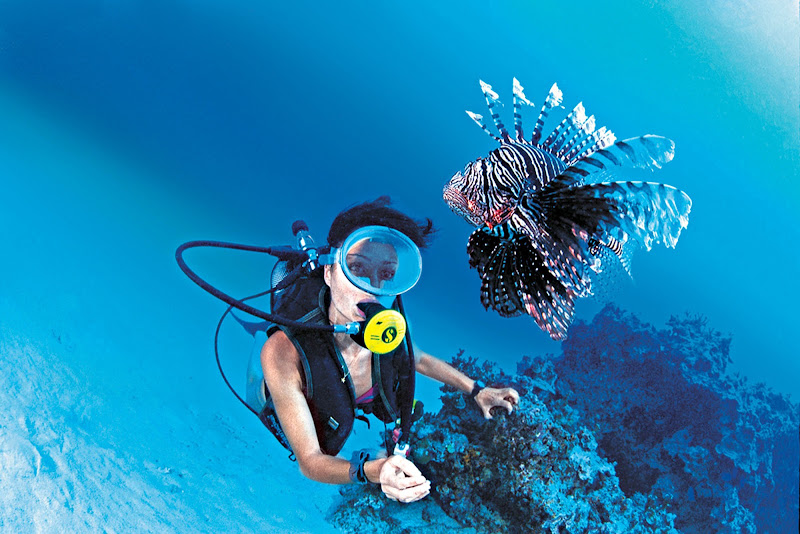
Tahiti’s best known snorkeling and diving spot is known as “The Wrecks,” a submerged cargo ship and sea plane, which swarms with colorful fish in a lagoon just west of central Papeete. The beautiful island of Moorea, just a 30-minute ferry ride from Papeete, is encircled by a lagoon offering great snorkeling.
Golf
The Oliver Breaud Golf Course is a scenic and challenging 18-hole course on the grounds of the Altimaono estate, a former sugarcane plantation.
Best bets for dining
With its French influences, dining in Tahiti takes on a French flair, even when it comes to the food carts on the street serving such fare as hot crepes with a variety of fillings. You can find French pastries everywhere, including at stands in the Marche de Papeete.
Across from the pier, Jack Lobster is a popular lunch spot for fresh seafood prepared with tropical fruit salsas and other local ingredients. Also near the pier, La Petit Auberge offers a mix of French and Tahitian flavors in such dishes as shrimp in coconut milk and vanilla. Dishes reflecting a blend of Asian cuisines are served at Le Restaurant Jimmy across from Papeete’s town hall.
Nightlife
Papeete has a lively assortment of cocktail bars and nightclubs, including Le Royal Kikiriri, where you can participate in traditional Tahitian dancing, and Le Retro, a Parisian-style bar with sunset views. Many of the major resort hotels offer Polynesian-themed entertainment with dancers, flame-throwers and traditional foods.
Family-friendly options
The lovely white sand beach of Mahana Park has water sports, a restaurant and a park area for playing soccer, volleyball and other sports. And the Lagoonarium, located a few miles west of Papeete, displays tropical marine life and also offers a daily shark feeding show.
YOLO (You only live once!)
Shark diving: Outfitters such as Dive Tahiti and Topdive Tahiti offer certified divers the chance to dive among several local shark species under safe conditions.
Don’t miss
Located on a ancient sacred site, The Museum of Tahiti and Her Islands is an excellent place to learn about Polynesian history and culture, including about tattooing, navigation and weaving.
To enjoy the lush backcountry of Tahiti, take a four-wheel drive tour of the Papenoo Valley, where you’ll see waterfalls, archaeological sites and fabulous coastal views.
Best time to go
High season: May to October
Low season: November to April
Tahiti has two basic seasons: the dry season of May to October, when temperatures are a bit cooler, and the wet season of November to April. However, there is really little variation in temperatures, which from average highs of 81degrees Fahrenheit February and March to 76 degrees F in July and August.
Fun facts
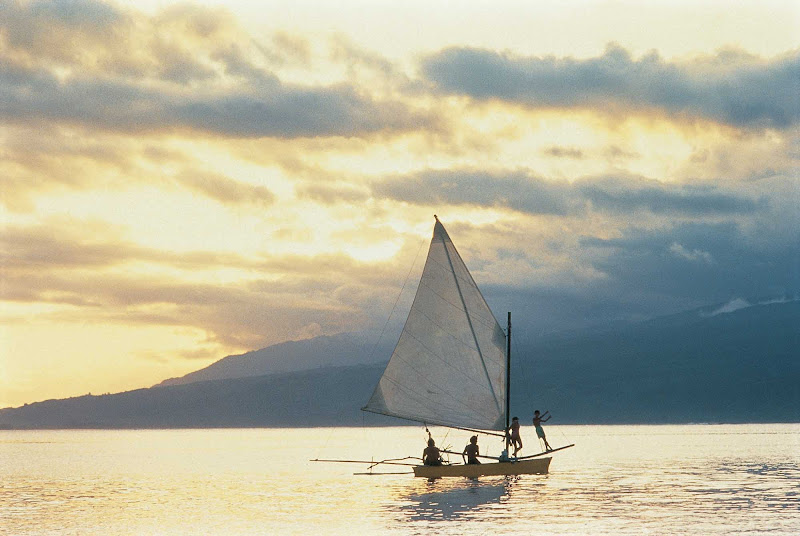
- The traditional method of “stone fishing” is still performed for special festivals. Dozens of outrigger canoes form a semicircle, and men in the canoes beat the water with stones tied to ropes, driving the fish toward the beach.
- The word “tattoo” and its practice originated in Tahiti.
- There are no poisonous snakes or insects in French Polynesia.
When you arrive
Docking information
Cruise ships dock right in the heart of Papeete at its waterfront esplanade. Many shops and restaurants are right within walking distance.
Getting around
Taxis are available at stands in Papeete and can be hailed from the street. Fares are expensive, and passengers should agree on a price with the driver beforehand. Public buses circulate about every 20 minutes between designated stops throughout Papeete. Rental cars are available from Avis, Europcar and Hertz.
Need to know
Documents: U.S. and Canadian citizens will need a valid passport.
Language: French and Tahitian are the official languages. Some English is spoken in the tourist areas.
Currency: The French Pacific franc is the local currency, about 100 francs to the U.S. dollar. Many shops will accept U.S. dollars.
Safety: While French Polynesia has a low crime rate, watch out for petty crime, such as pick-pocketing and purse snatching.
Your take
Have you been to Tahiti? Please share a story, tip or discovery. What was the highlight for you? Please share in the comments below.